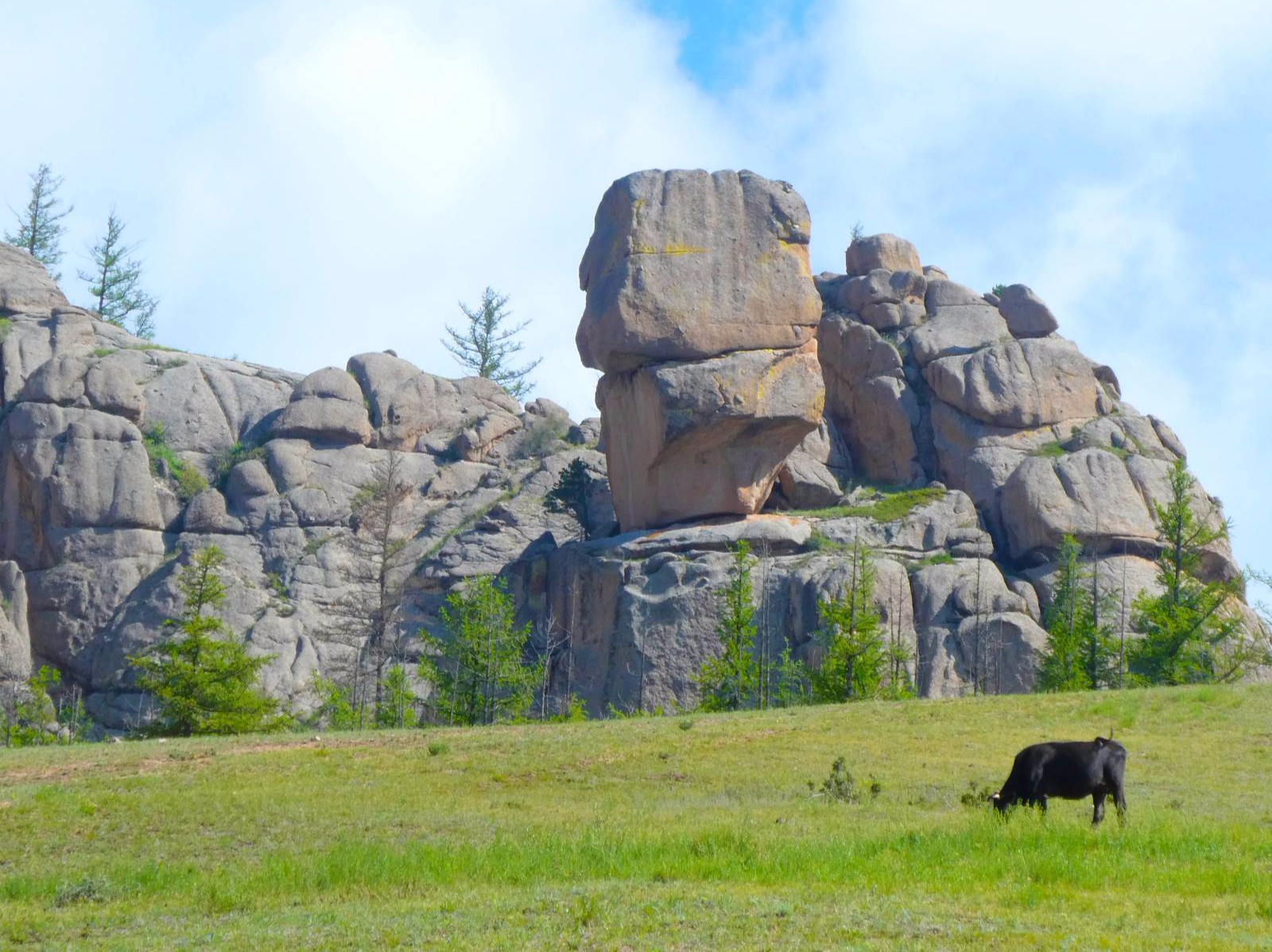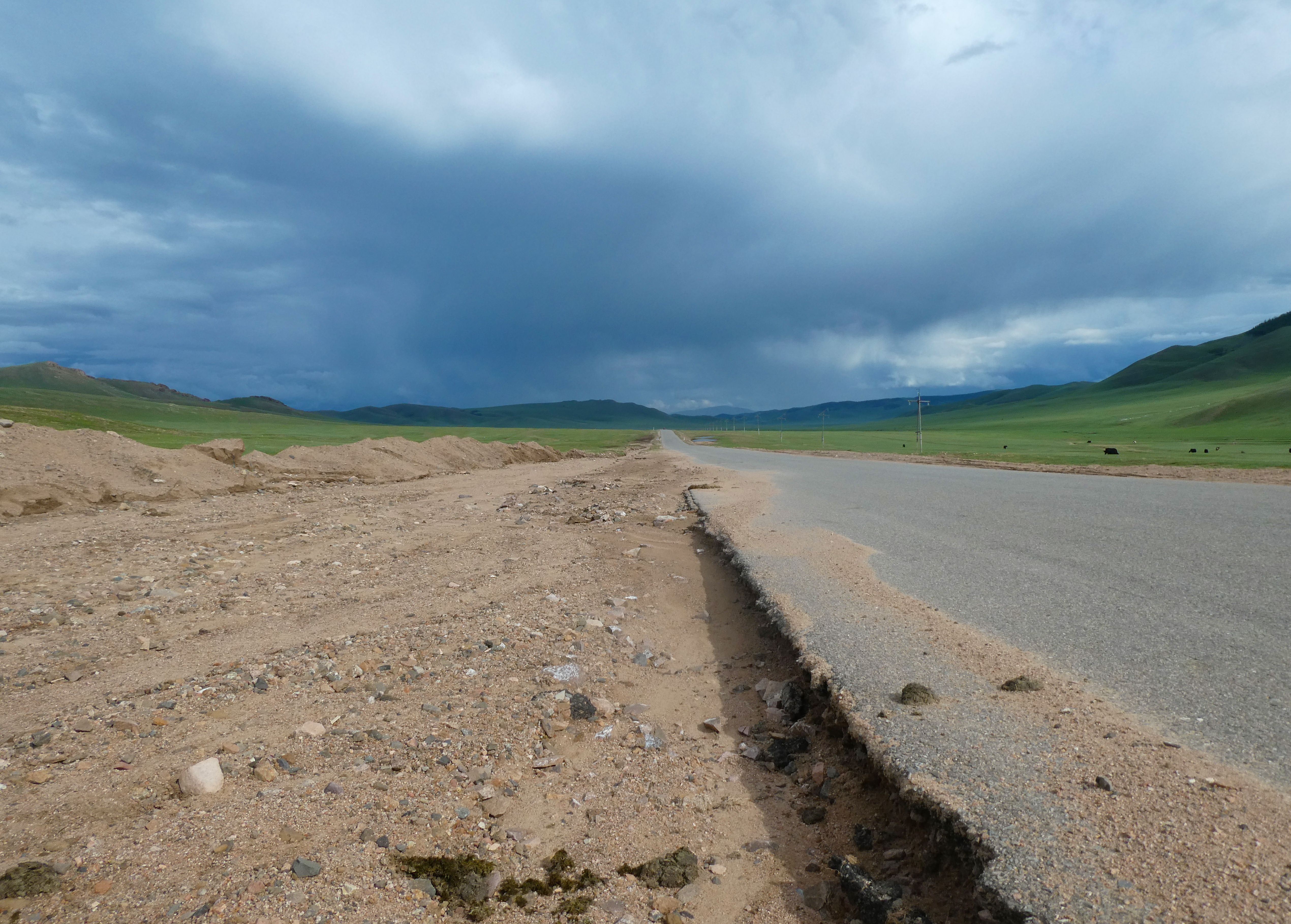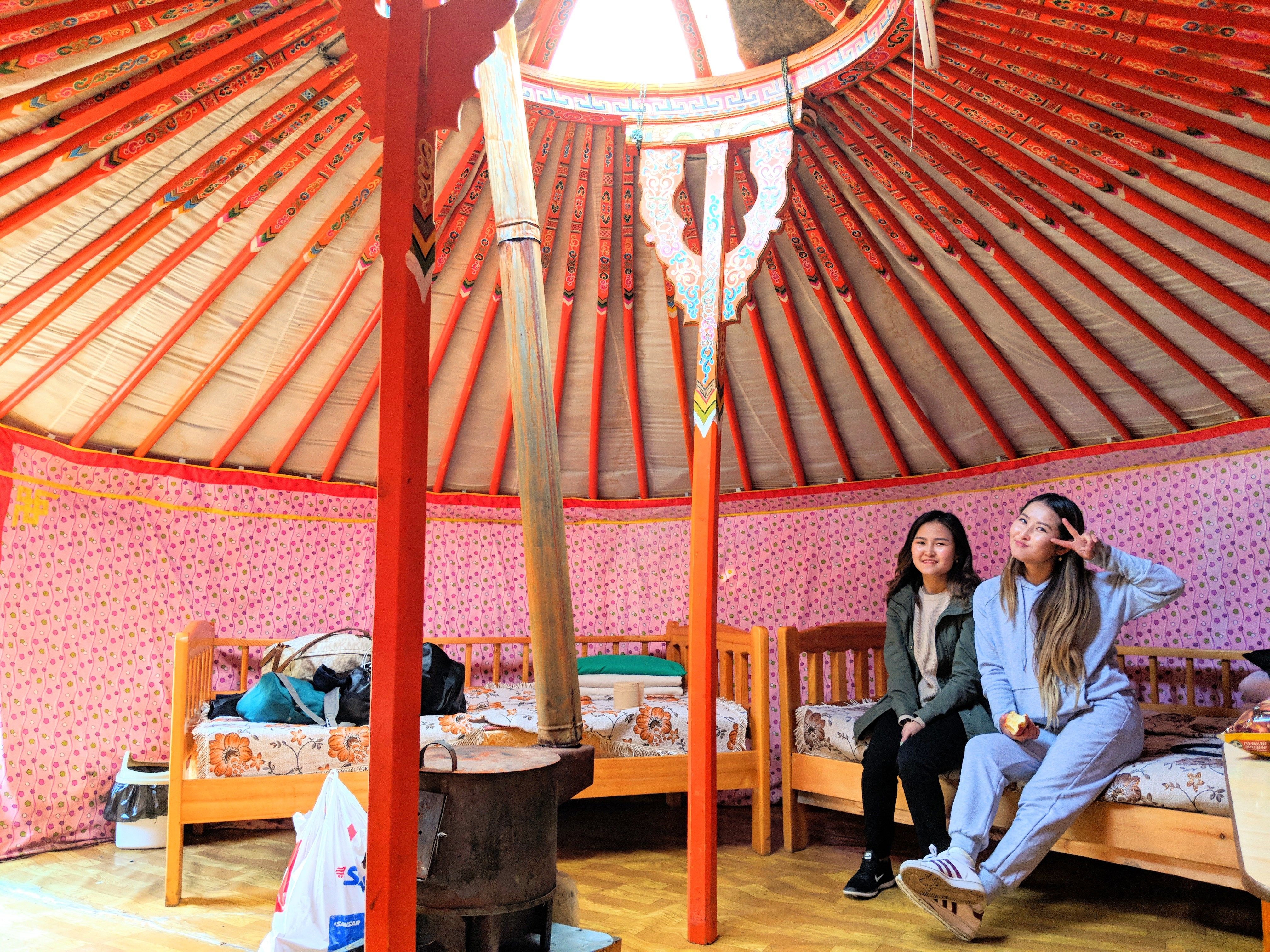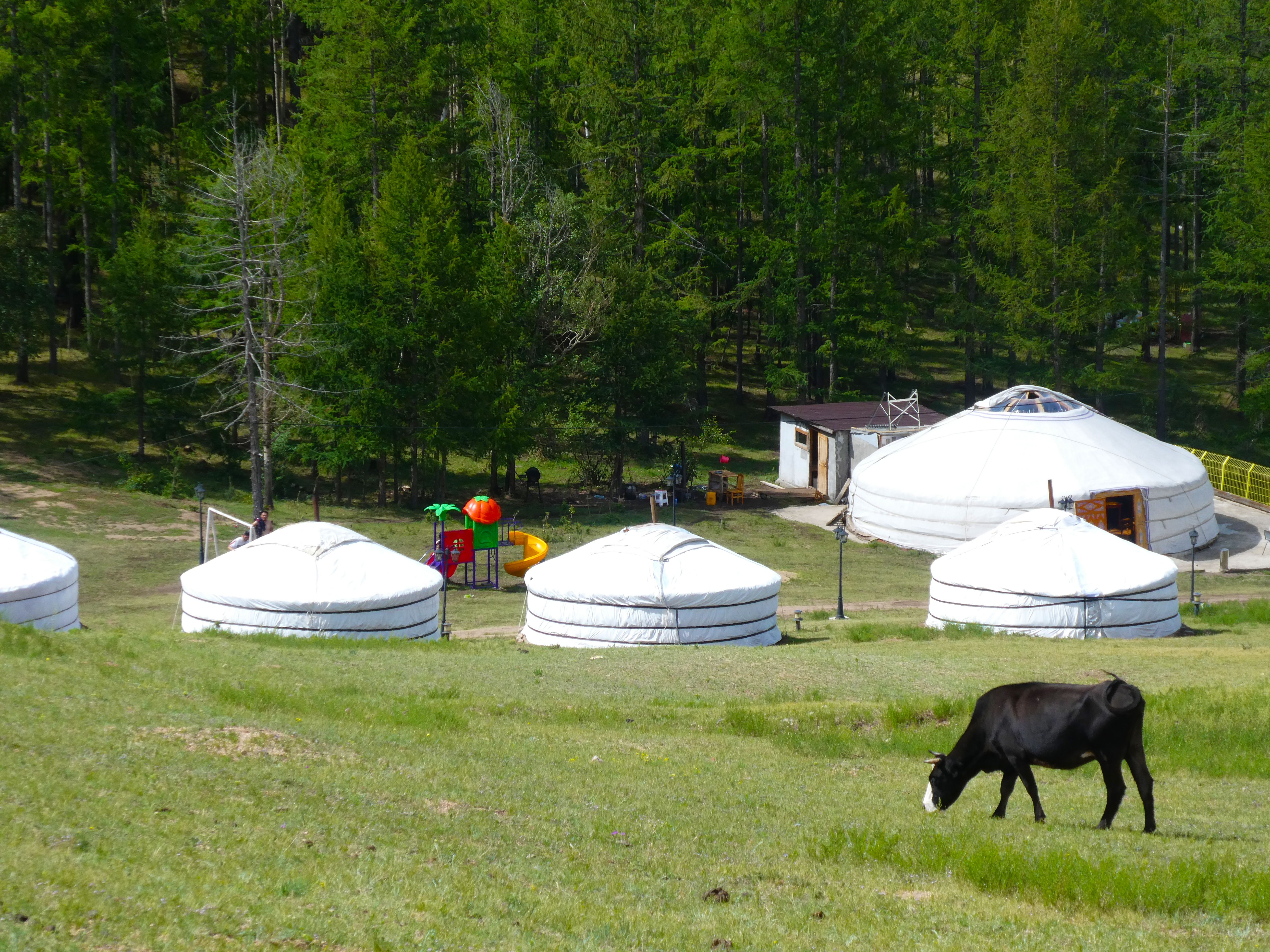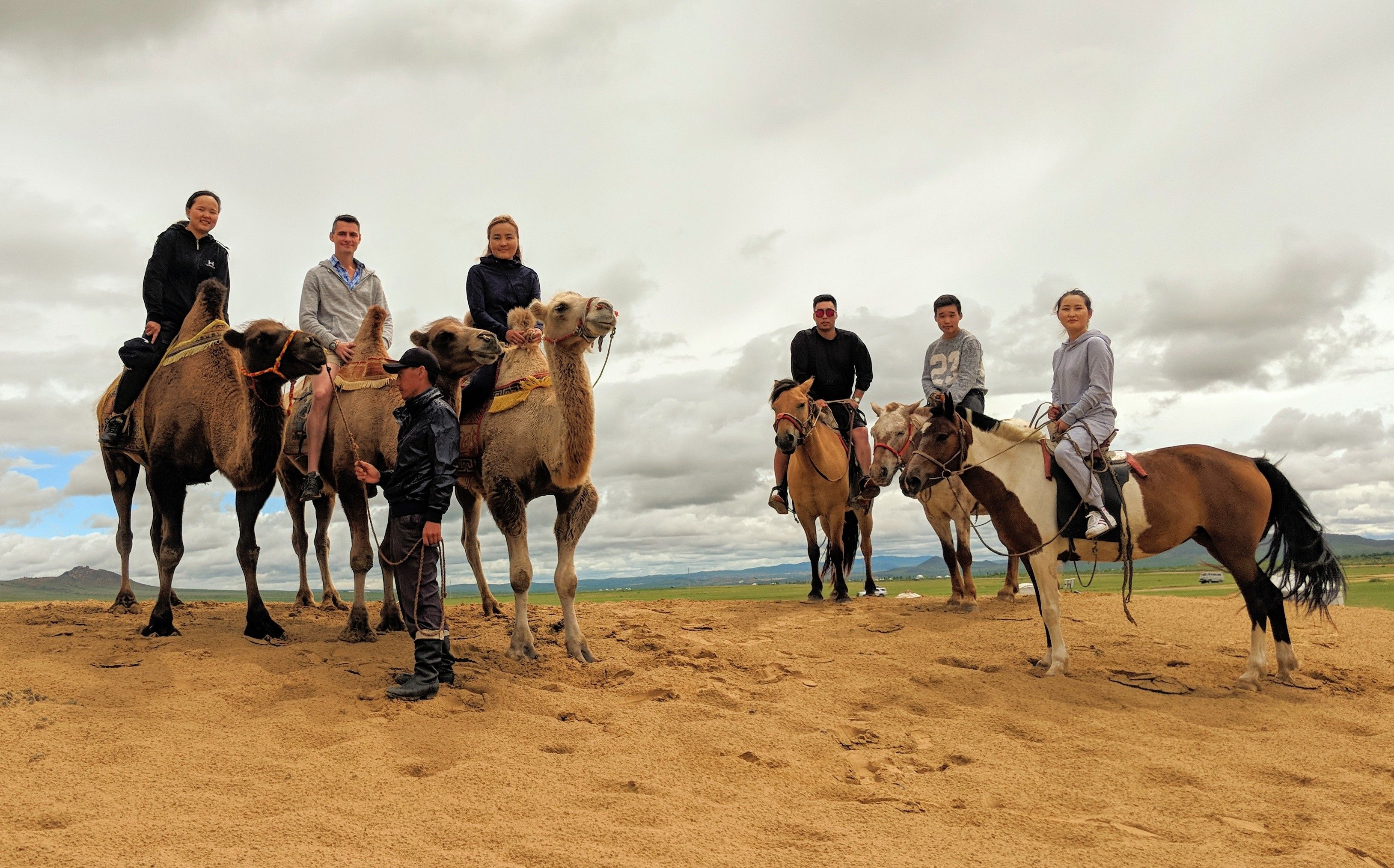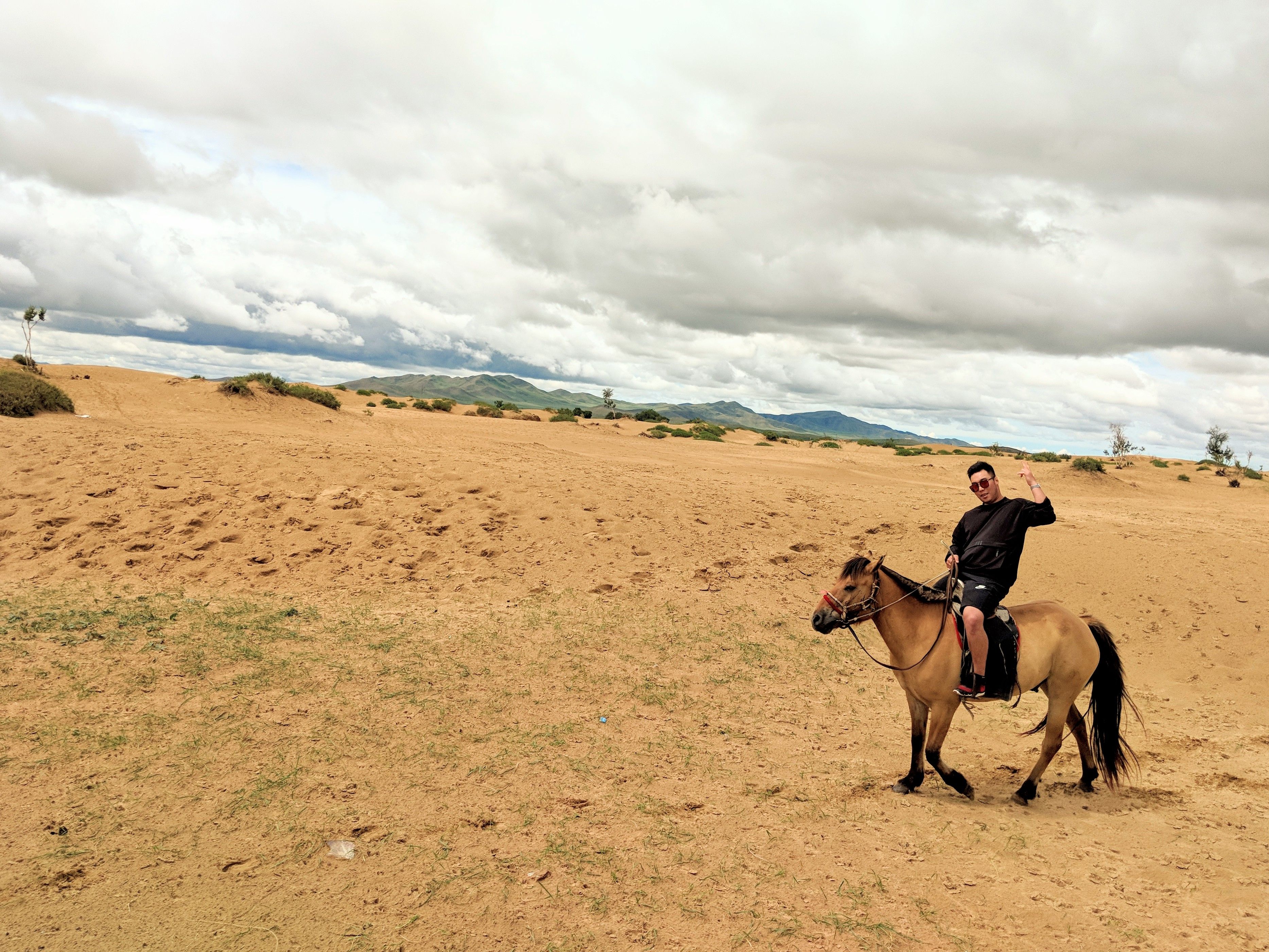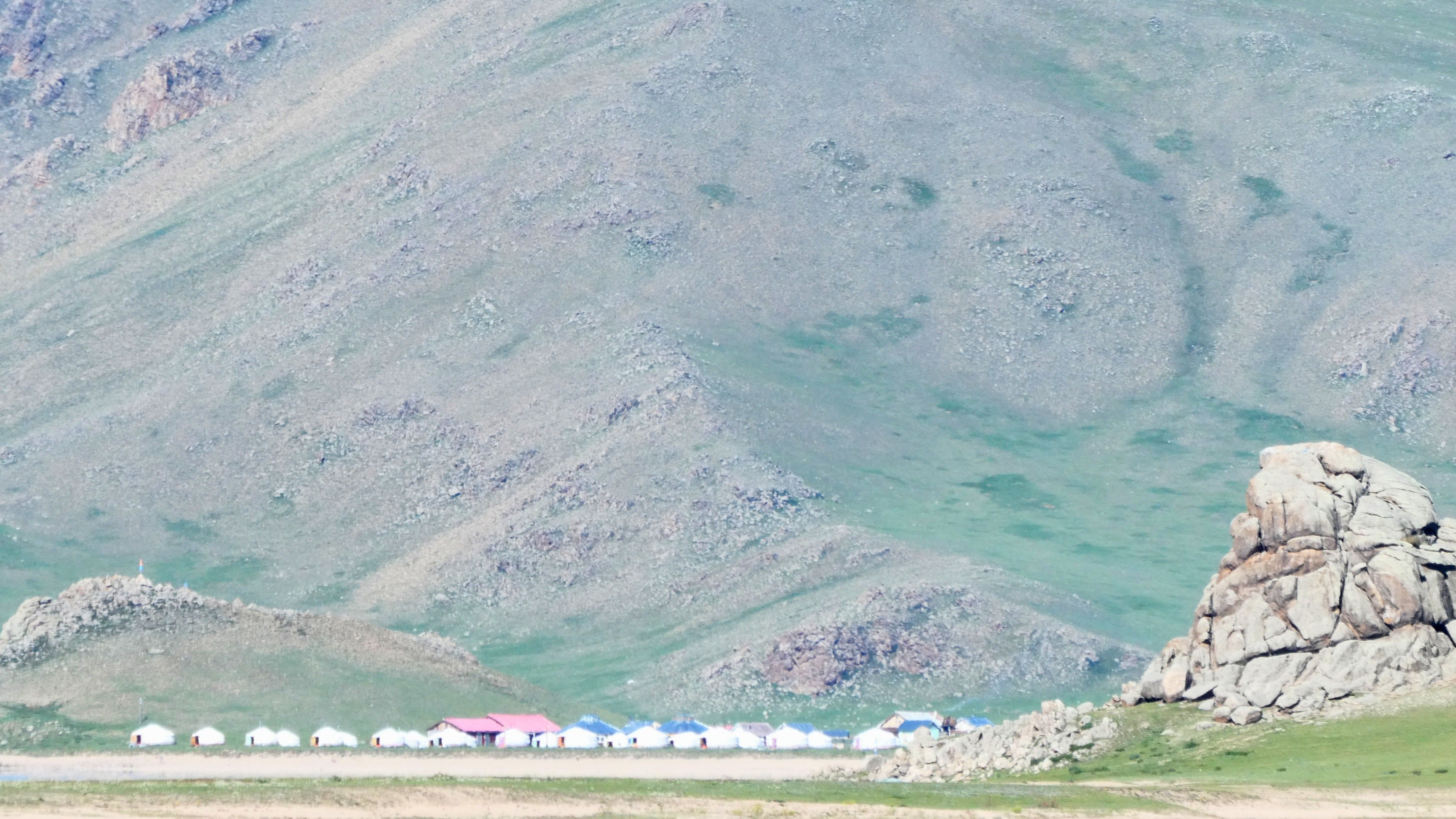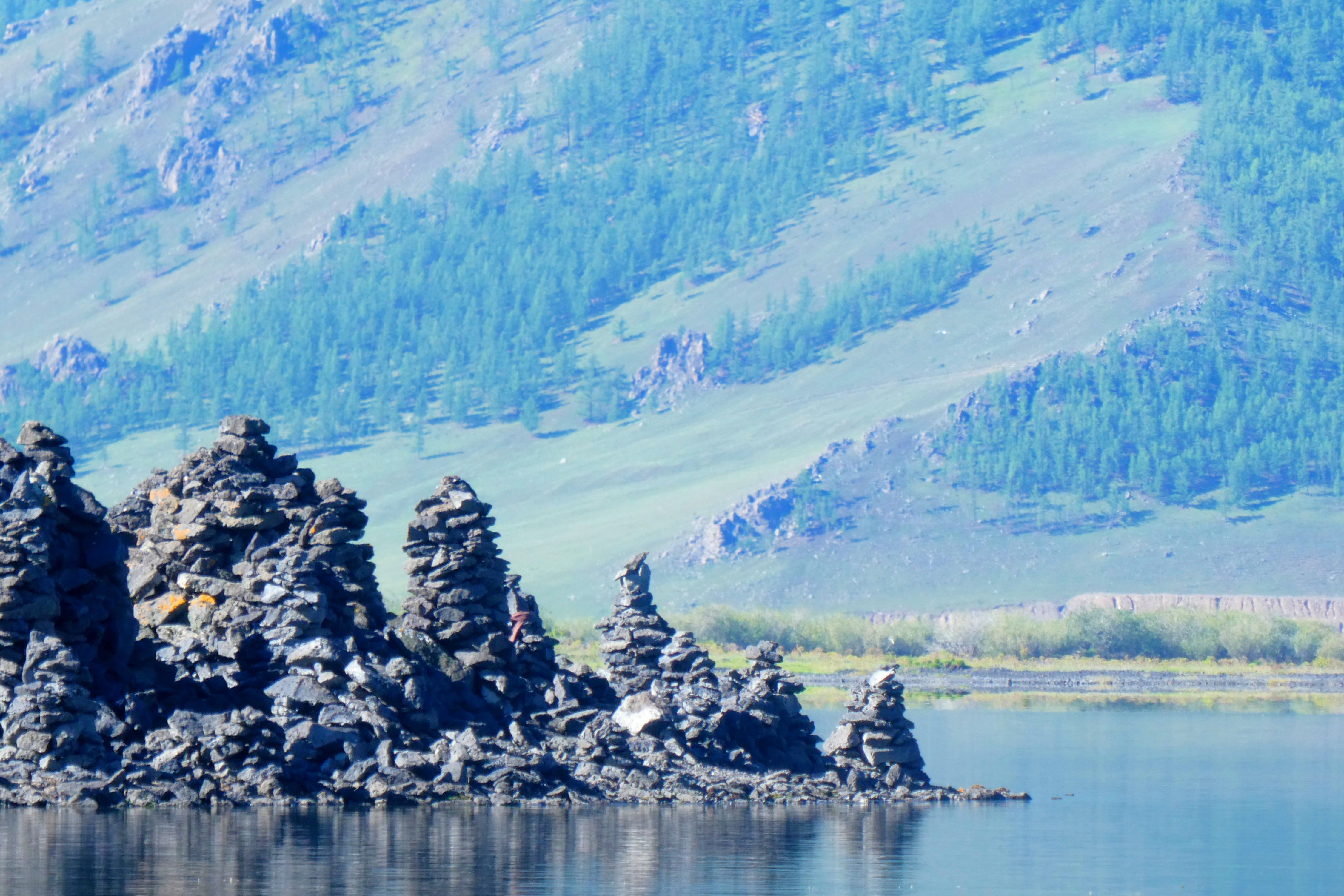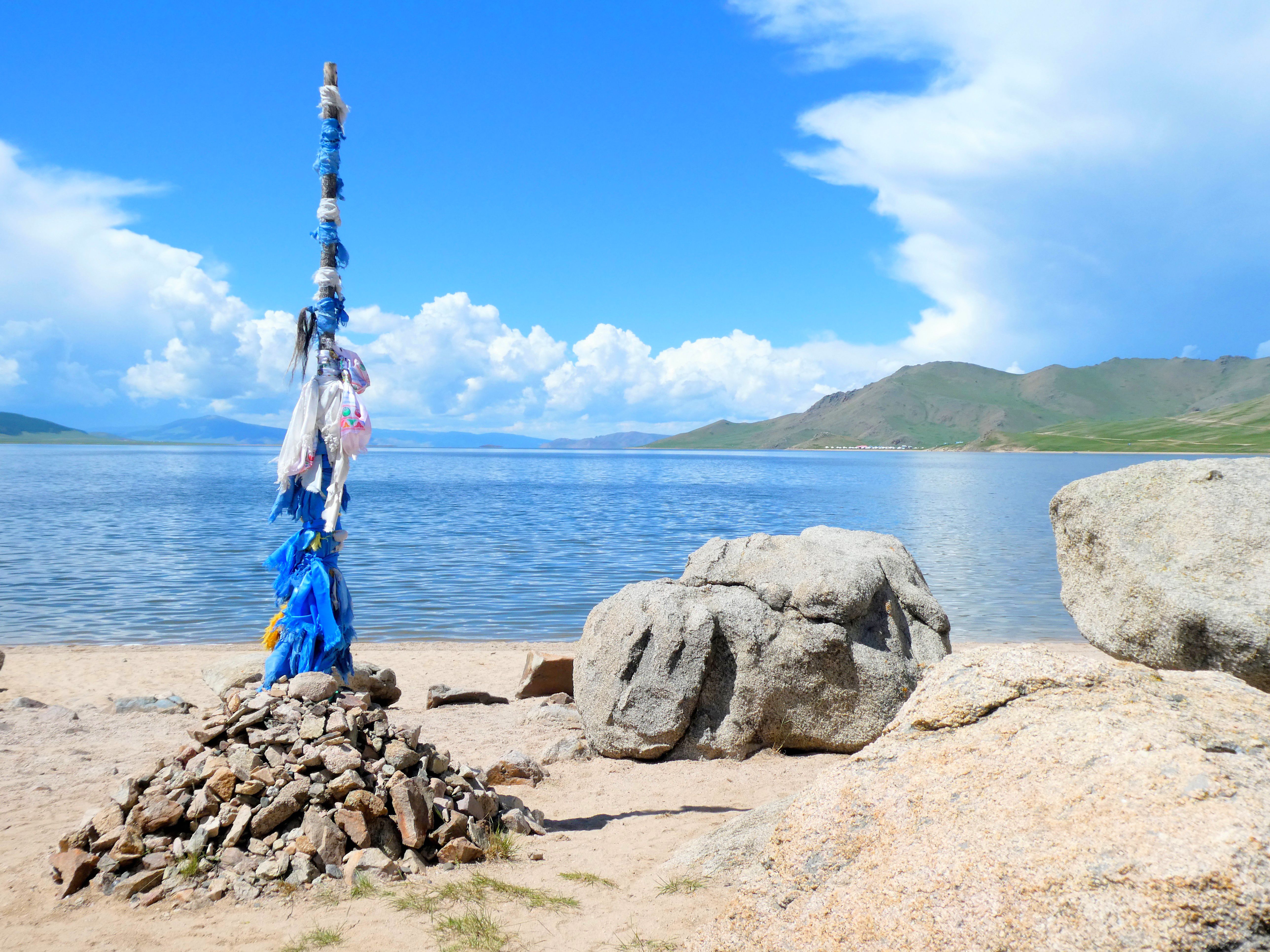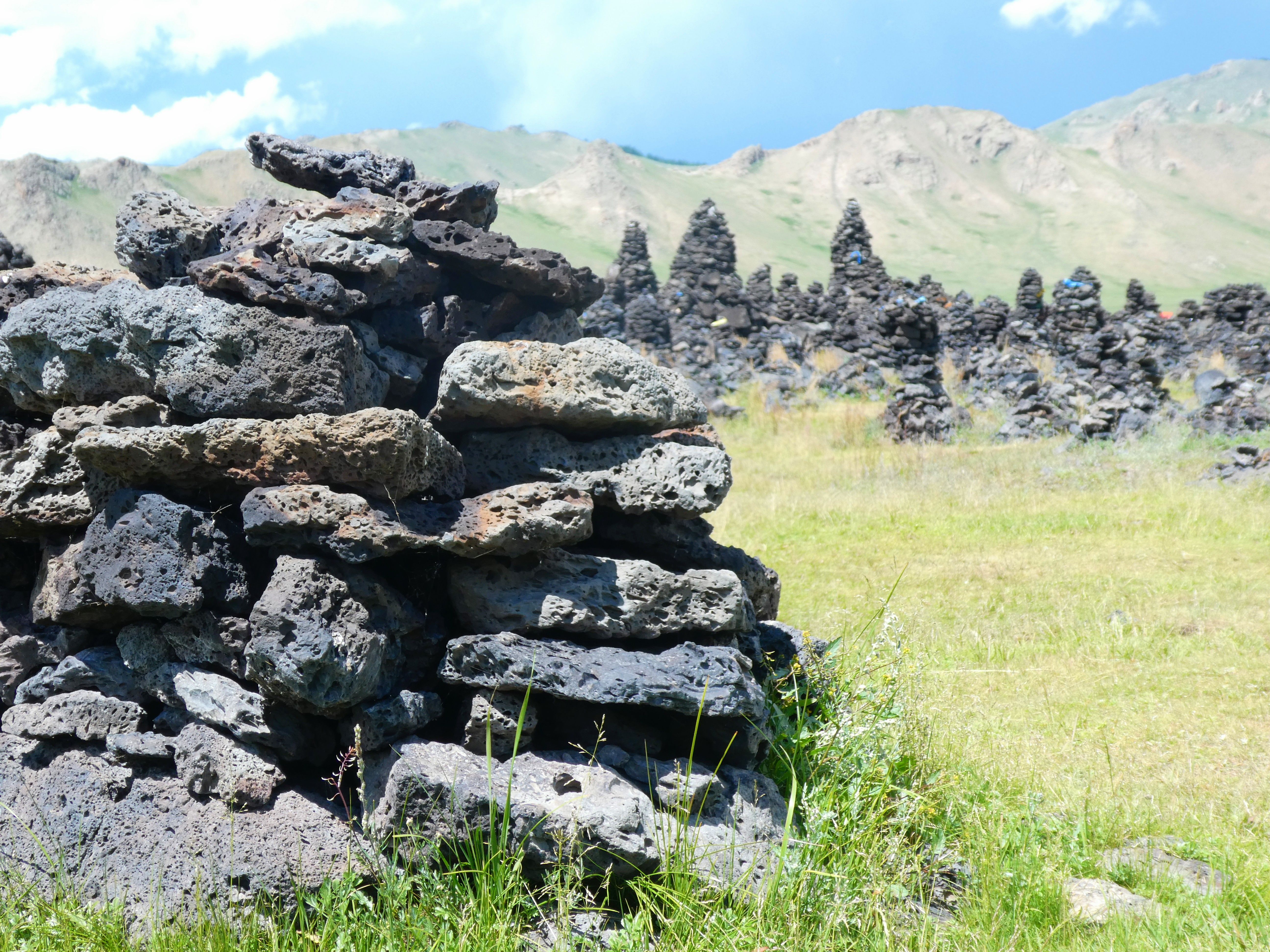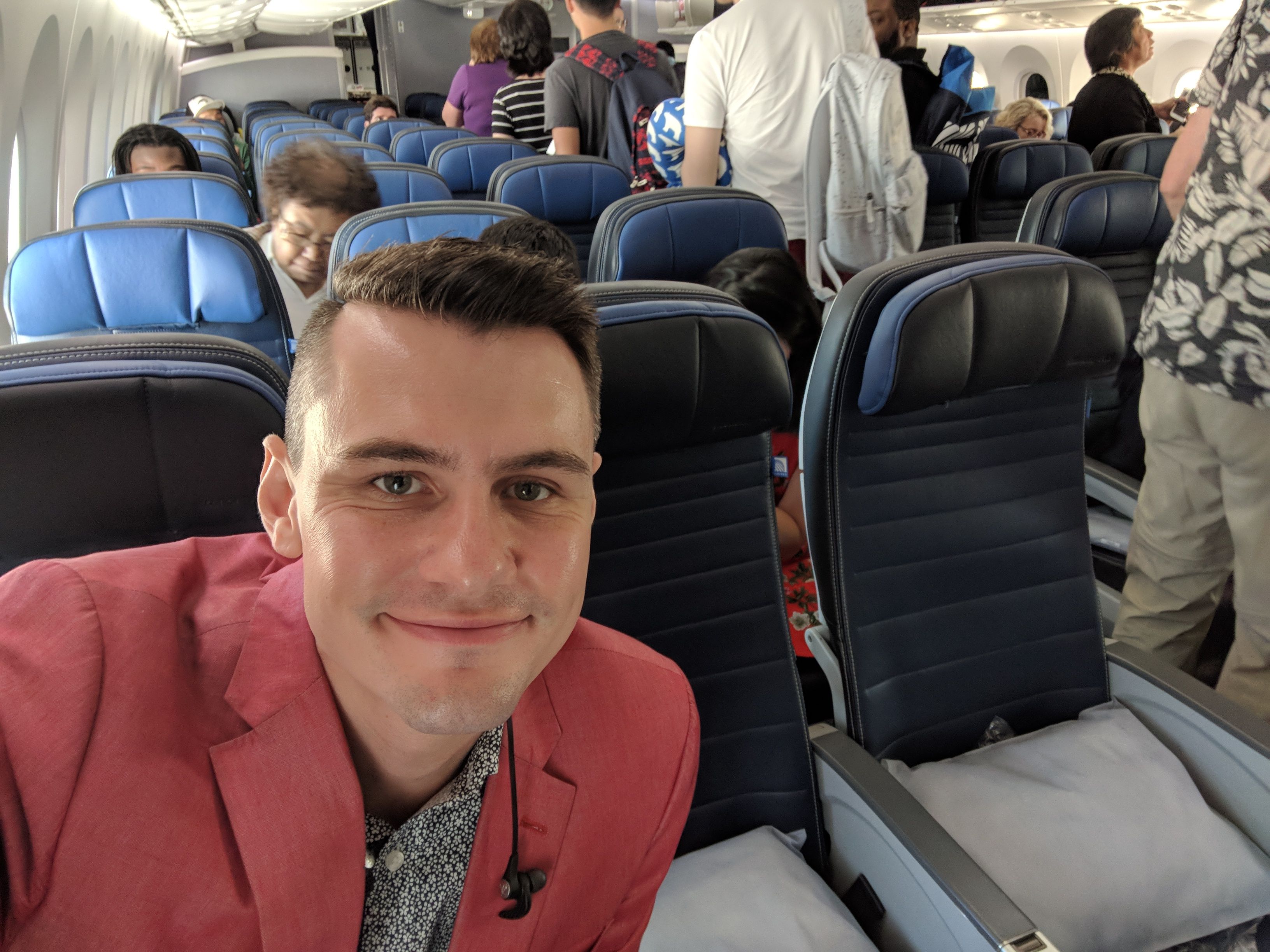
In July 2018, I traveled to Mongolia. There I reconnected with old friends, made new ones, learned a good deal of history and bore witness to some of the most beautiful land our planet has to offer. Here are my photos and experiences.
Some years ago, I picked up Jack Weatherford’s excellent book, “Genghis Khan and the Making of the Modern World” on a free Audible credit. That book sparked a long-standing interest with the country and history of Mongolia and central Asia in general.
In the past few years, I’ve had the privilege of making a number of Mongolian friends in the Washington D.C. area (suburban Arlington has, I believe, the largest Mongolian diaspora in the world). I’ve even picked up cursory bits of the language, but my vocabulary is relegated primarily to food items, basic greetings and compliments. It's more than most Americans know, though, so even a simple greeting—Сайн байна уу?—is sometimes enough to show that I'm at least trying.
And so in Summer 2018, I decided it was time to see Mongolia for myself.
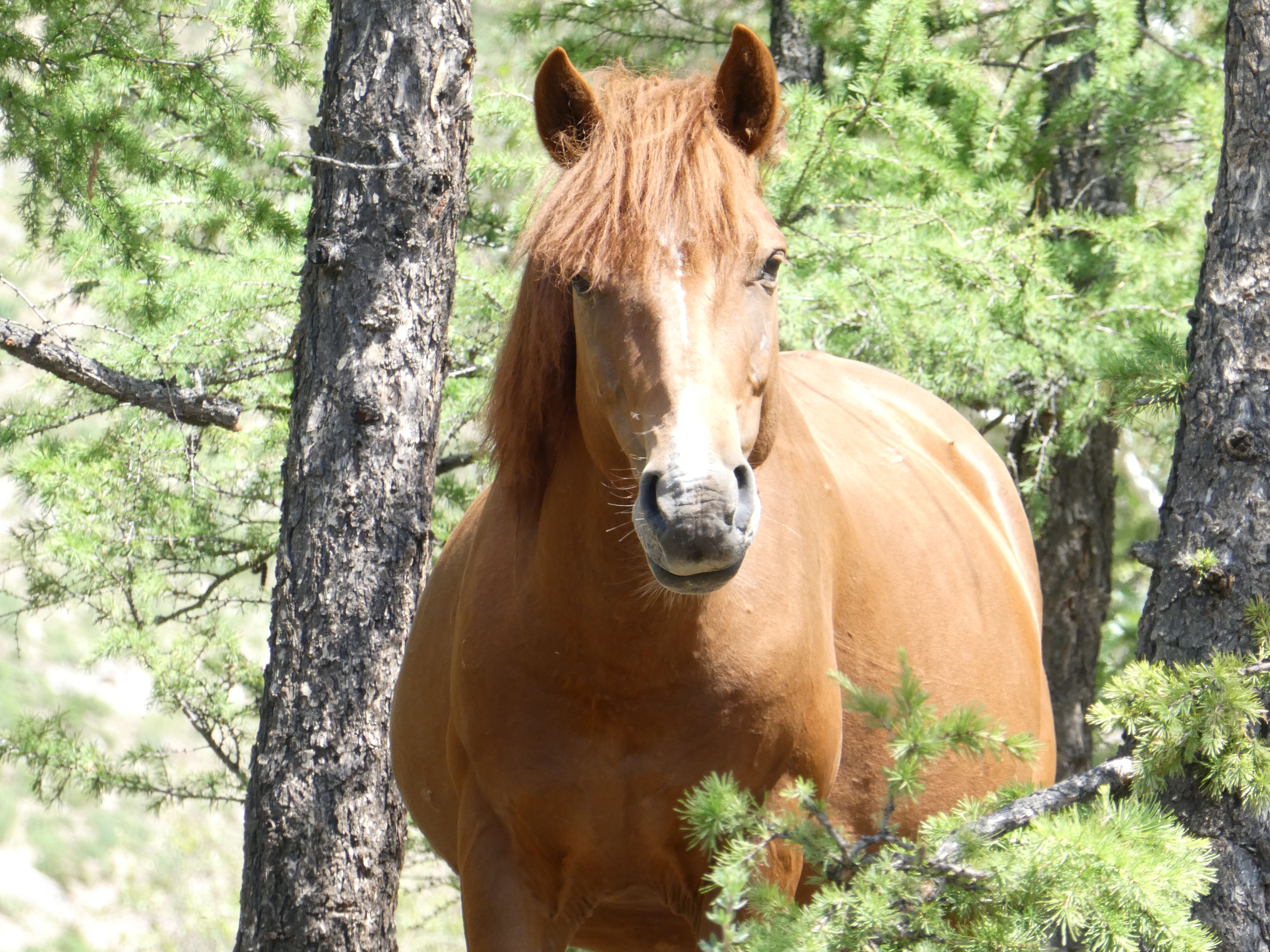
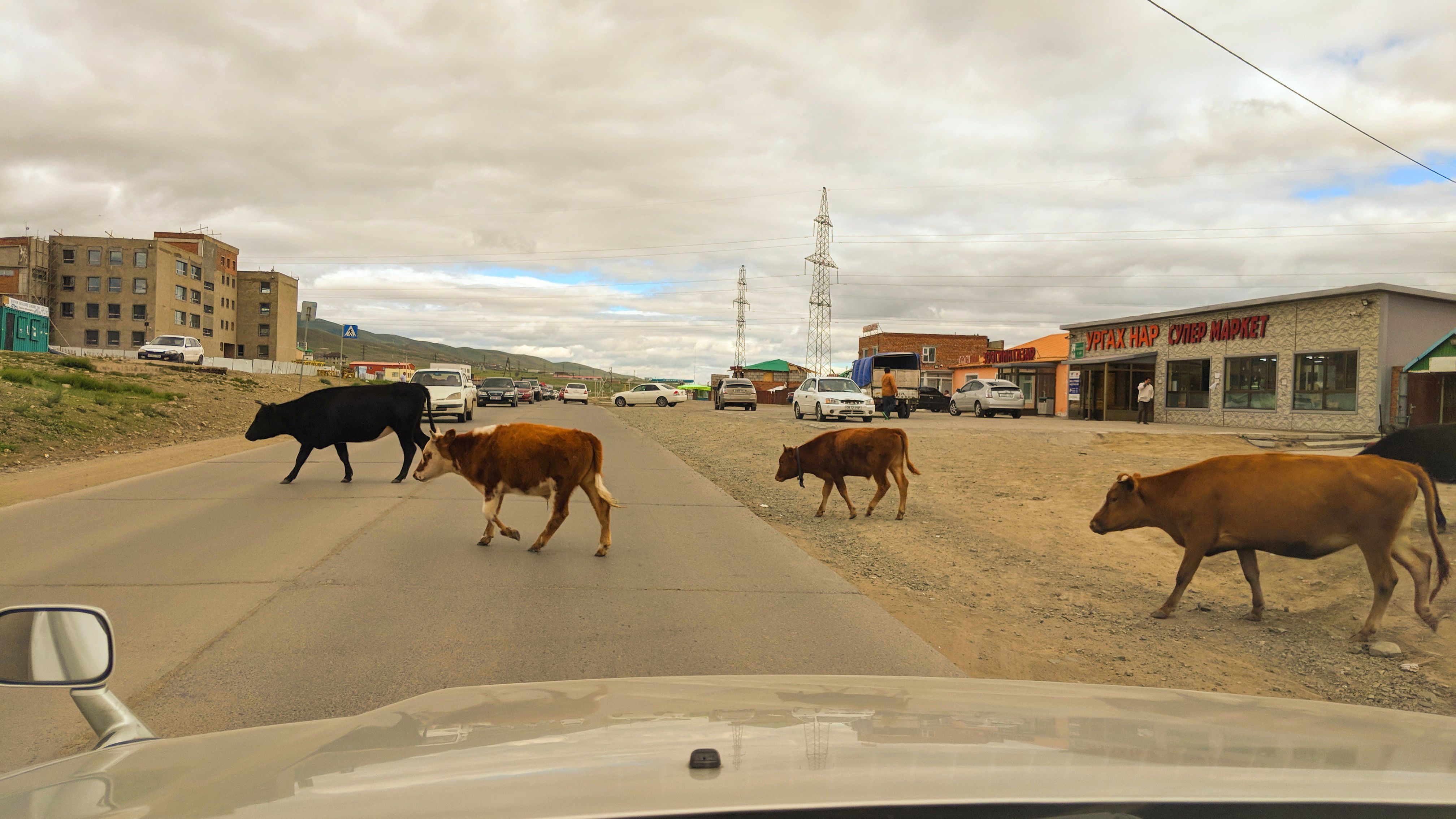
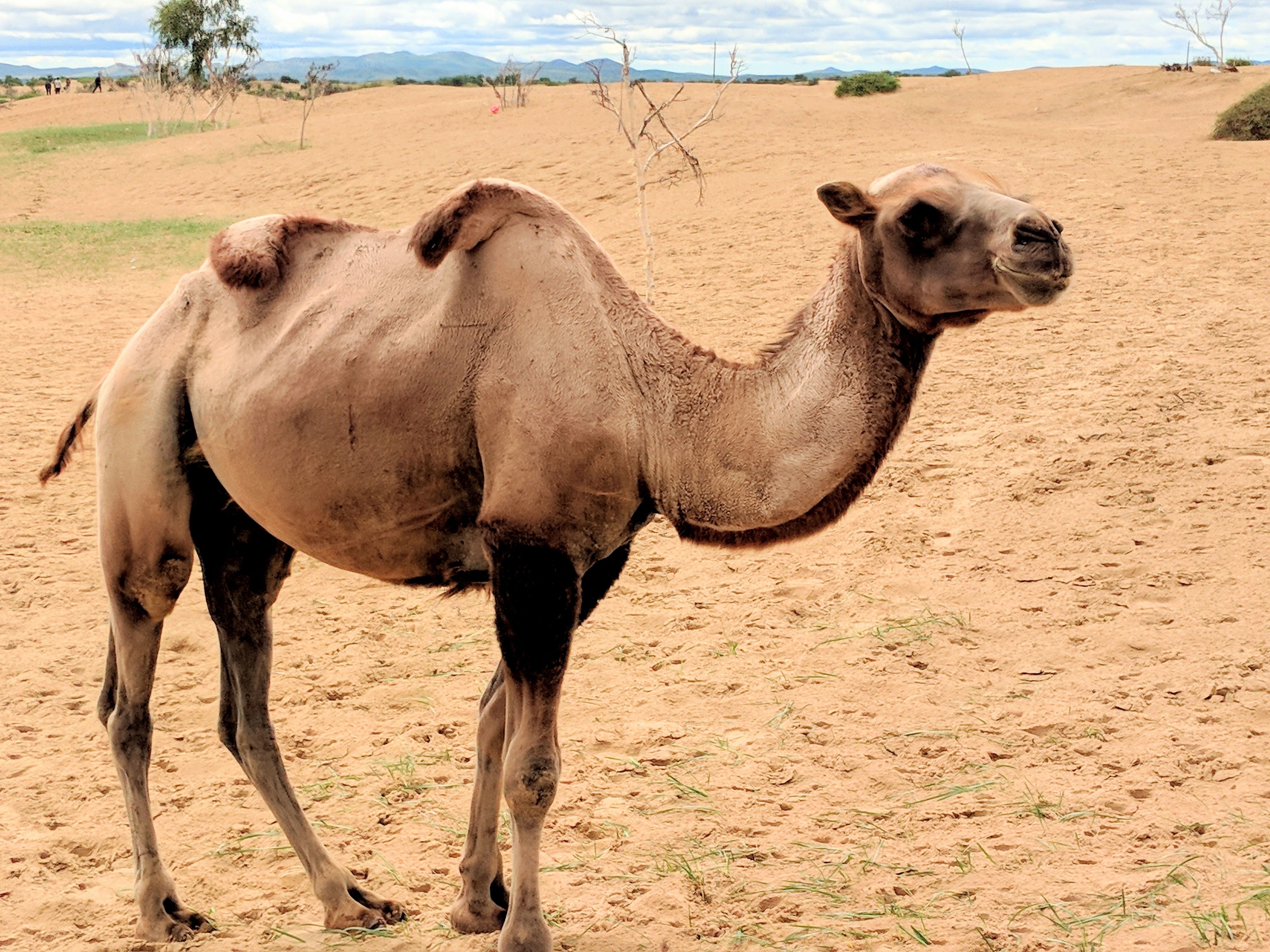
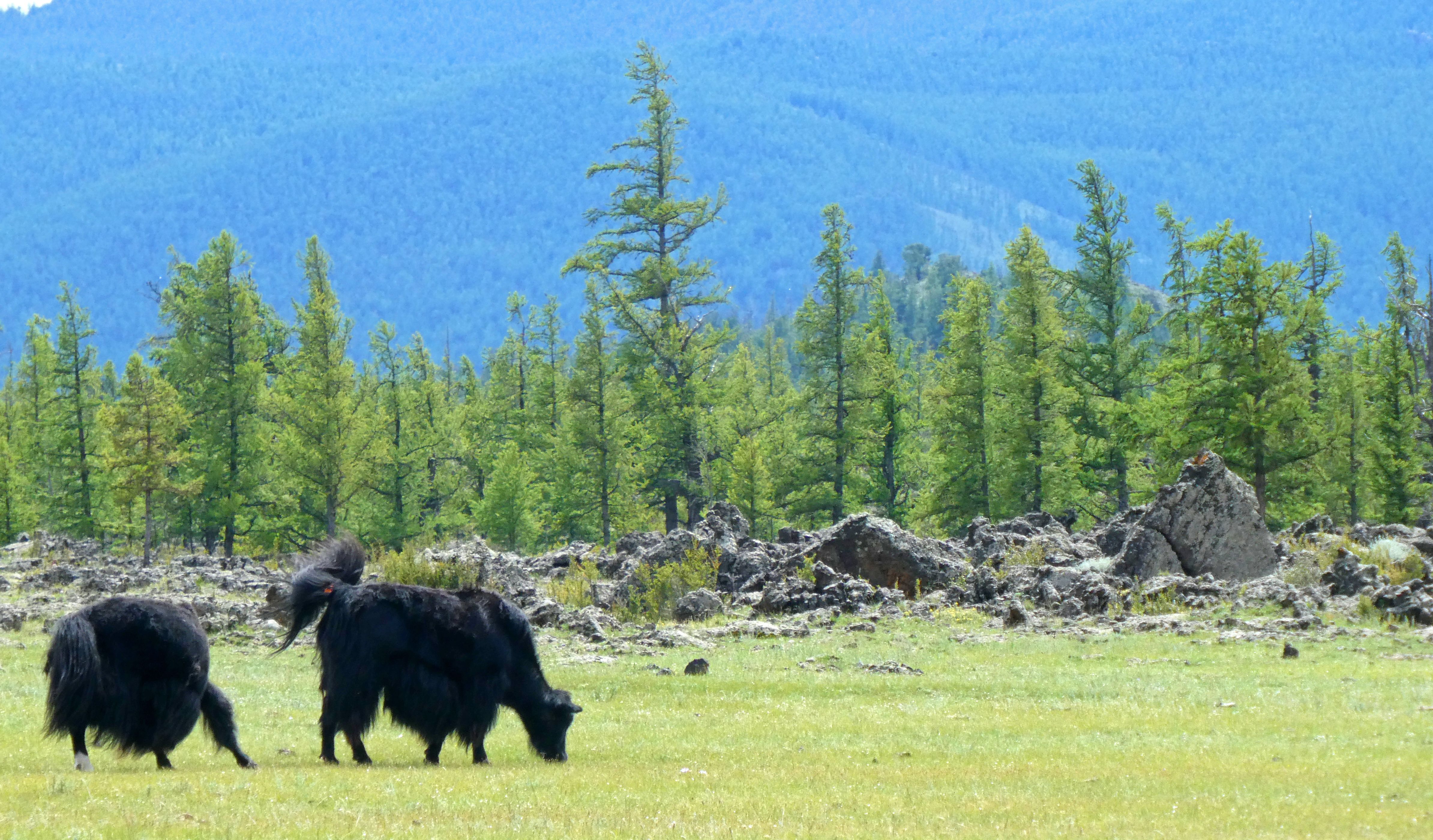
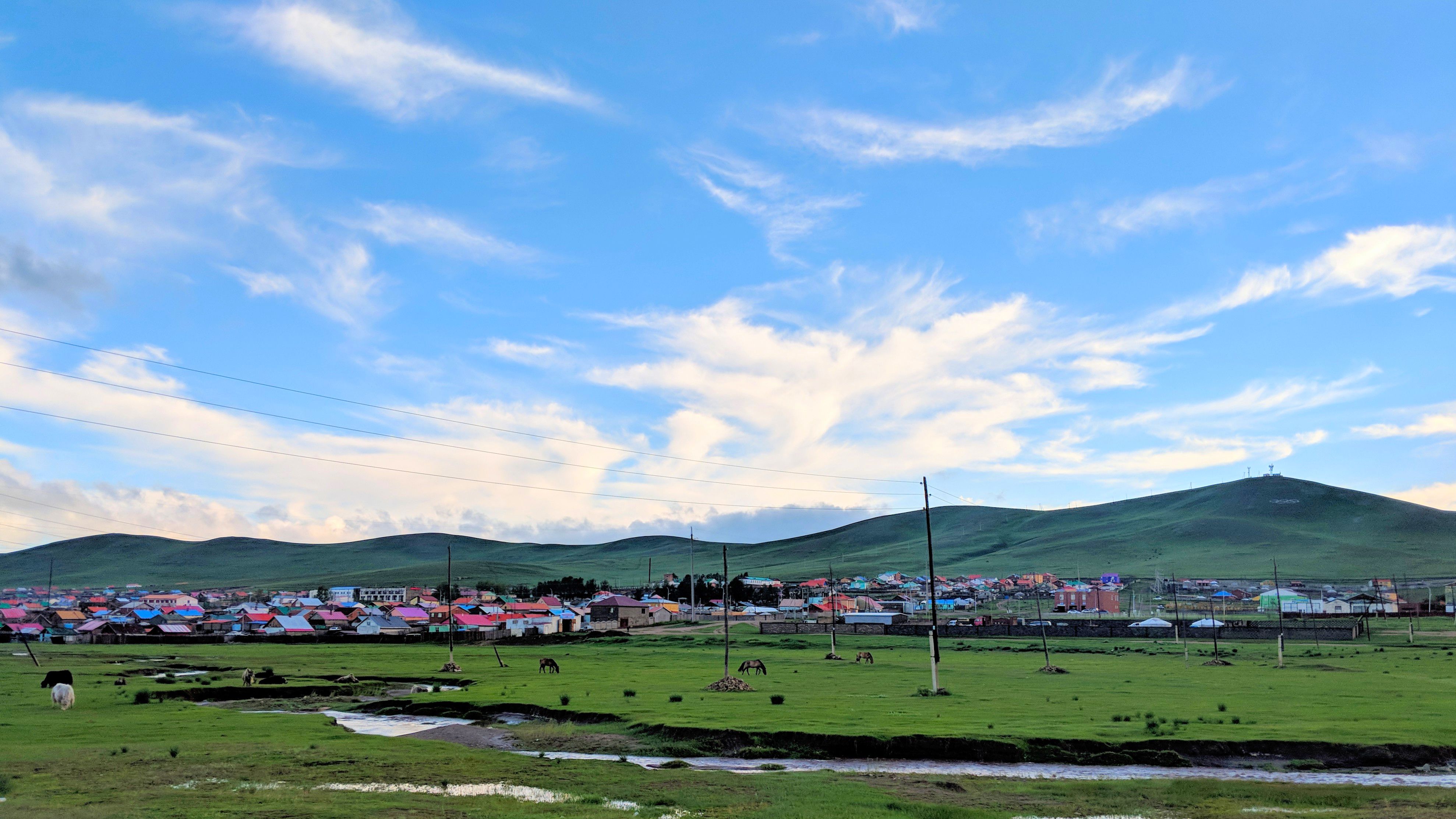
There are many times more livestock than people in Mongolia; estimates vary by source that I referenced, but a country of 3 million people has 50 million or more head of cattle, sheep, yak or goat. You see this throughout the countryside, and where I was at first delighted to see a herd of horses wander nonchalantly into my camp to graze in the morning, by the time I returned to Ulaanbaatar from the countryside, I was fairly numb to the sight of these ubiquitous creatures.
Mongolian horses are smaller, but sturdier, than the Iberian horses in North America brought by the Spanish during the 1400s-1500s. Owing to their powerful physiques I would not exactly call them ponies, but other than their impressive musculature they are roughly the same size as one.
Back home in Wisconsin, deer are everywhere, and they are a nuisance and threat on the road. Everyone in my hometown has had an experience where they've hit a deer or ran off the road avoiding one, wrecking their car or being injured. And so when driving, you are always watching for deer and routinely have close calls on highways. In only a few days on the road here, I developed this same relationship with horses.
Once cannot investigate Mongolian culture and history without considering the important role of Buddhism—not only as a cultural and religious institution, but as a political and historical one.
There is evidence that Buddhism was first introduced to the Mongols as far back as the 4th century, but it would not become central to Mongolian history until the 13th century, when Kublai Khan practiced and clearly favored Buddhism. After the fall of the Kublai's Yuan dynasty, Buddhism experienced a brief decline until later in the 16th century, when feudal lords and herdsmen began to convert to Buddhism en masse. Eventually, thousands of monasteries were built throughout the city, and at one point, as much as about half of the male population of Mongolia consisted of Buddhist monks and over 2000 monasteries were constructed throughout the countryside.
From the late 1500s and until the era of Soviet control in the 20th century, Buddhist monasteries functioned as much as political entities just as much as they did religious ones, controlling much of the wealth, order and legitimate control of society in the country.
The widespread Soviet-led purge of Buddhism in the 1920s eliminated any legitimate control Buddhist leaders had over the function of society. Mongolia established a democratic government in a series of reforms through 1990-1992, and today, Mongolia is a modern country led by elected officials. Today, most residents of Mongolia are practicing Buddhists.
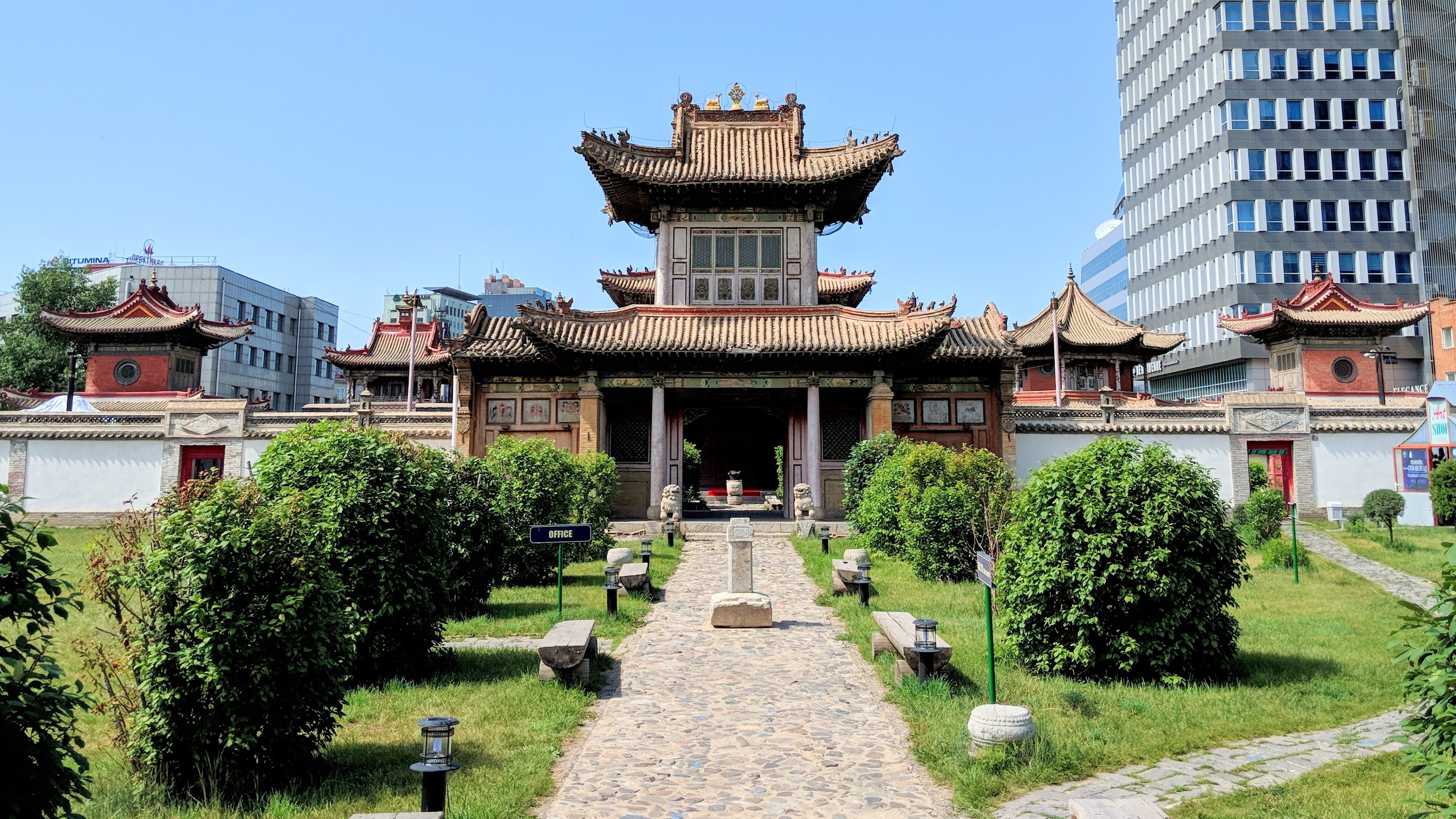
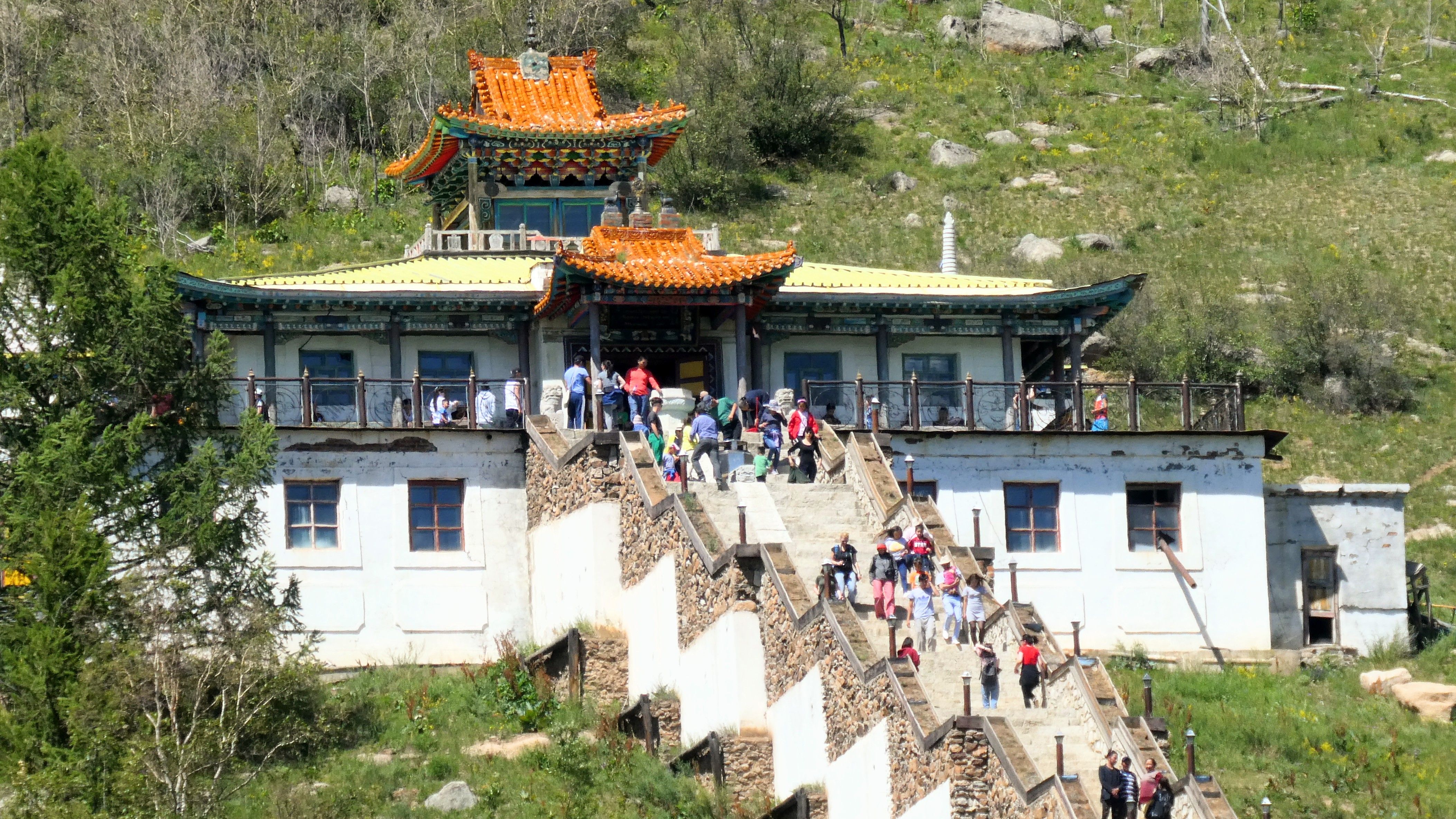
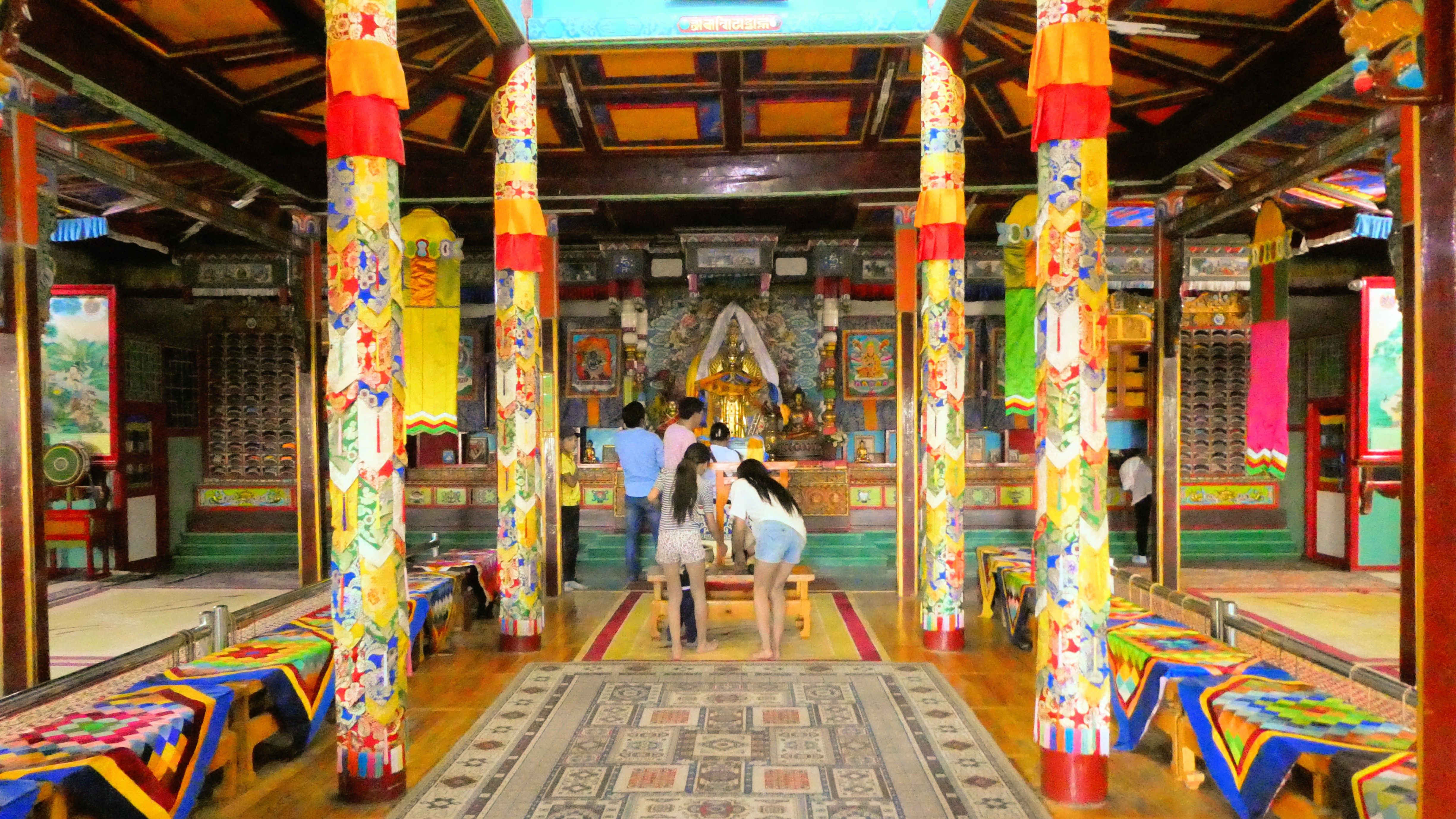
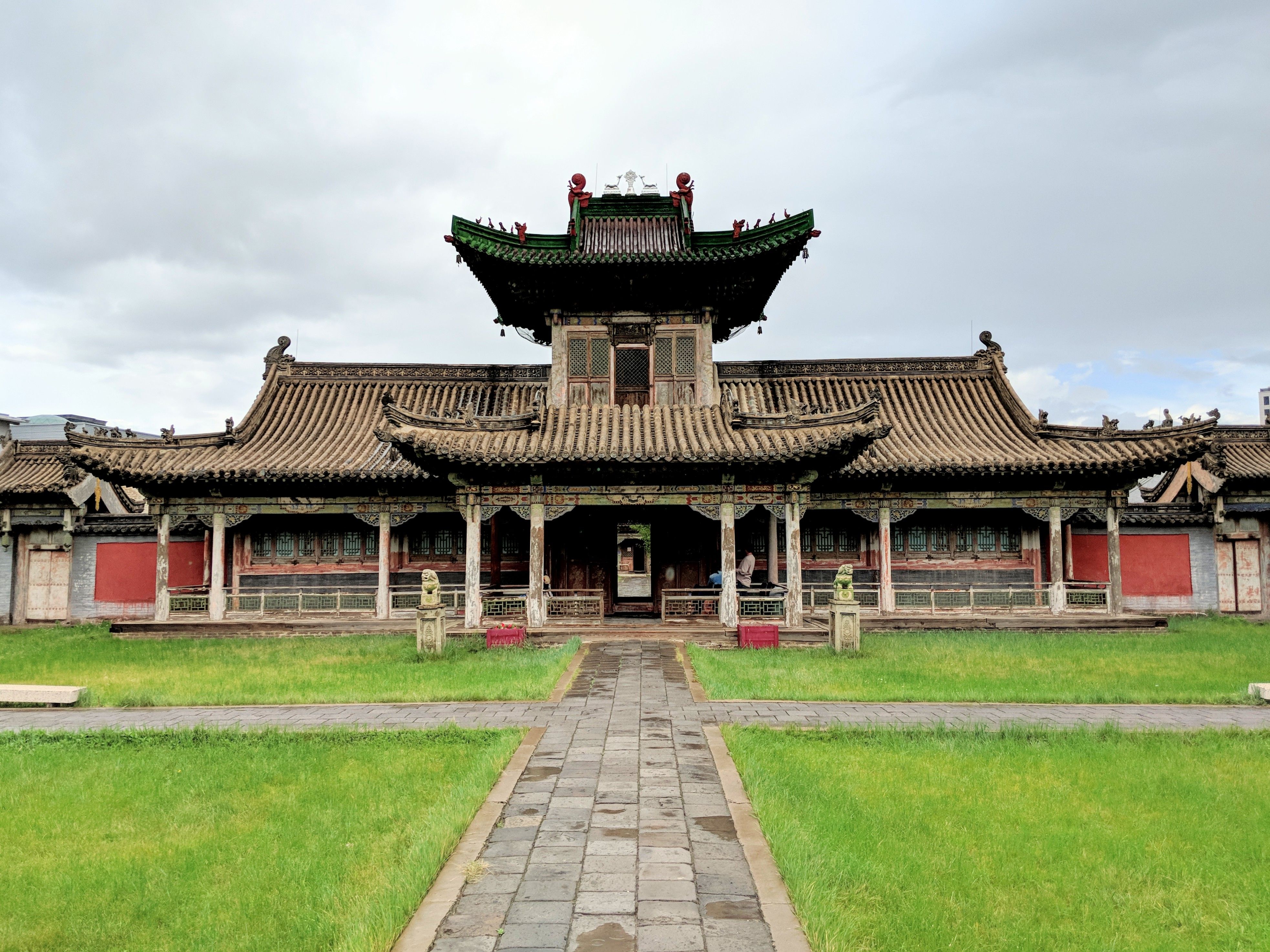
Some old temples and monasteries stand today, serving a dual role as tourist attractions as well as places of worship. As my friends and I traveled through, we both seemed equally welcome as I admired the art and history of these and my friends stopped to pray.
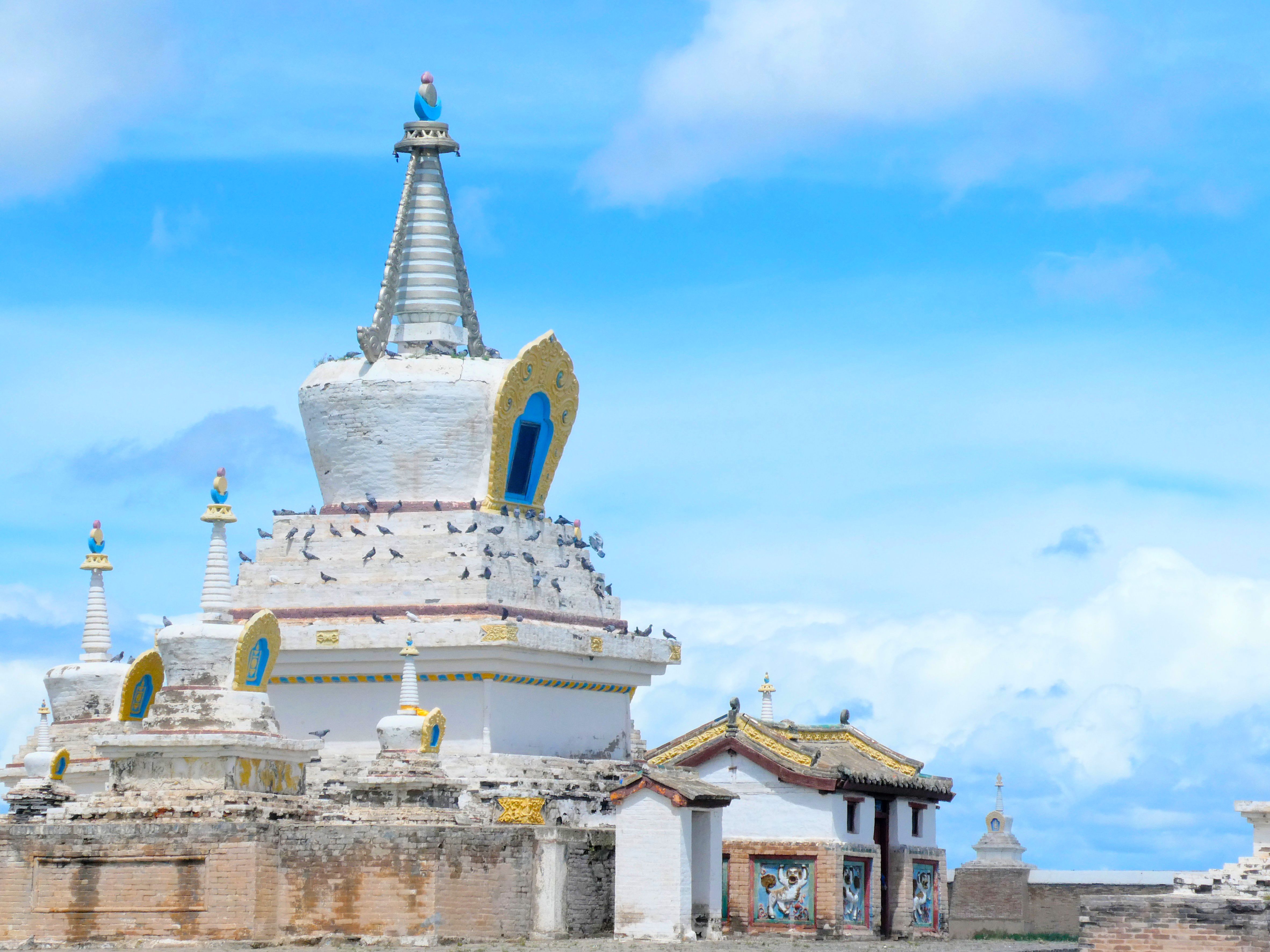
A stupa at Erdene Zuu Monastery, which by most records is most likely the oldest surviving monastery in Mongolia. It was constructed in the late 1500s, but was badly damaged in war and abandoned around 1688. It was later rebuilt and by the beginning of the 20th century housed about 1000 monks.
It would have been destroyed if not for the unlikely intervention of Joseph Stalin in 1944. This monastery was targeted, along with many others, in the widespread purge of organized religion conducted by the fledgling communist Mongolian People's Republic. Stalin intervened, convincing the government to maintain the temple as a feigned example to foreign visitors that the nation permitted freedom of religion. It is a complete farce, but I suppose the outcome was positive, because the monastery was spared complete distruction.
Though most of the monastery was demolished prior to this, a few small temples and stupas remain, including this one, and as of 1990, Erdene Zuu serves a dual function as a modest functioning monastery as well as a museum today.
Note the yellow and blue Soyombo symbol painted on the stupa at the left, with partial sculptures of it at the top. This symbol was created by Mongolia's religious and cultural hero, Zanabazar, in the 1600s, and is featured on the nation's flag today. It is the national symbol of Mongolia. Its component parts represent the sun, moon and fire, past present and future, the defeat of one's enemies, the honor of justice of Mongolia's people, unity and strength between people and finally, the balance between man and woman.
Mongolia was not only the most beautiful place on Earth I have visited, but one of the most humbling. Even though I was in the custody of good friends in a relatively tourist-friendly country during peak tourist season, I was always completely out of my element. For nearly entire days at a time, I navigated in relative silence, unable to really communicate and just getting by.
I wish that my trip, much like the steppe, would have never ended; unending, indominatable and permanent.
SHARE